
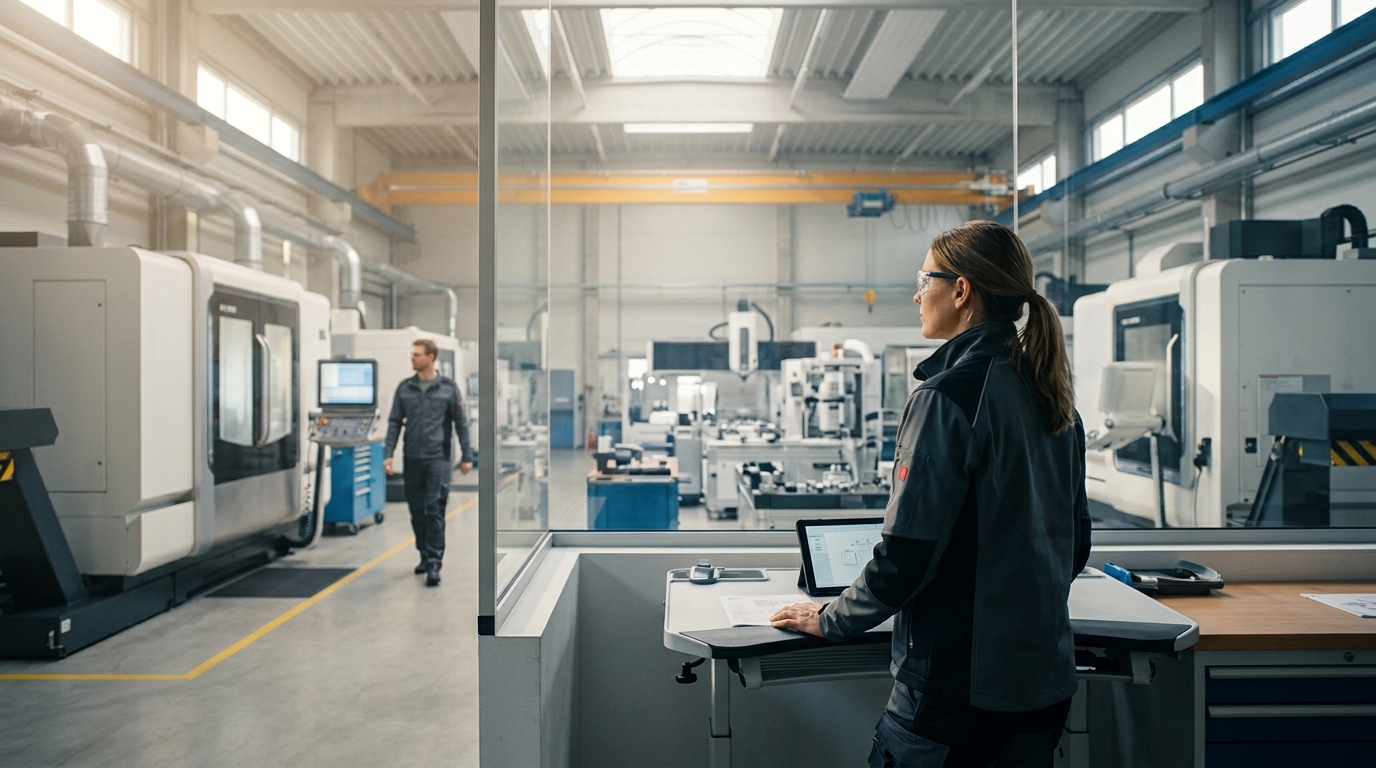
Industrial air quality is a critical component of modern manufacturing efficiency and worker safety. According to recent industry data, effective air purification systems can remove 99.9% of harmful particles from the workspace, directly impacting both regulatory compliance and operational uptime. For facility managers and engineering leads, selecting the correct technology is not merely a capital expenditure decision but a strategic investment in long-term sustainability. This guide outlines the essential steps to evaluate your specific environmental challenges and match them with the appropriate Aeroex industrial air filtration solutions. (Contact Aeroex Emission Control)
Understanding Industrial Air Challenges
Before diving into hardware specifications, it is vital to define the exact nature of the airborne contaminants in your facility. Industrial environments generate a wide variety of pollutants, ranging from fine metalworking mist to heavy smoke and volatile organic compounds. Oil mist is a suspension of fine oil droplets in the air, typically generated during machining, grinding, or heat treatment processes. If left unmanaged, this mist settles on equipment, creating slip hazards and reducing the lifespan of sensitive machinery.
Another common challenge is the presence of welding fumes or laser cutting smoke. These particulates are often smaller and more hazardous than standard dust, requiring higher efficiency filtration media. According to occupational health studies, prolonged exposure to these fine particulates can lead to significant respiratory issues for workers. Therefore, the first step in choosing a system is conducting a thorough air quality audit to identify the particle size, volume, and chemical composition of the contaminants.
Furthermore, the layout of your facility plays a crucial role in system selection. Open-plan workshops may require centralized air purification units, while isolated workstations might benefit from localized capture systems. Understanding these variables ensures that the chosen solution addresses the root cause of the air quality issue rather than just masking the symptoms.
Evaluating Filtration Technologies
Not all filtration systems are created equal. The technology behind the filtration media determines its effectiveness, maintenance requirements, and overall cost of ownership. Aeroex utilizes advanced multi-stage filtration processes to ensure maximum efficiency and longevity. HEPA filtration is a high-efficiency particulate air filtration standard that captures at least 99.97% of particles at 0.3 microns. This standard is often the benchmark for cleanroom applications and high-risk environments.
For applications involving odors or chemical vapors, activated carbon filters are essential. These filters adsorb volatile organic compounds (VOCs) and other gaseous pollutants, providing a layer of protection that mechanical filters alone cannot offer. The combination of mechanical pre-filters, carbon stages, and high-efficiency final filters creates a robust defense against complex industrial pollutants.
Energy efficiency is another critical technological consideration. Modern variable frequency drives (VFDs) allow filtration units to adjust their airflow based on real-time demand. This dynamic adjustment reduces energy consumption during low-production periods while maintaining high capture rates during peak operations. Choosing a system with intelligent airflow control can significantly lower your facility's operational costs over time.
Matching Systems to Applications
Different industrial processes demand different types of air purification solutions. Aeroex has engineered specific product lines to address the unique challenges of metalworking, cleanrooms, and specialized manufacturing environments. Metalworking mist collectors are specialized units designed to capture oil and coolant mist generated during CNC machining, grinding, and turning operations. These systems are typically compact and can be mounted directly on or near the machinery.
For cleanrooms and inspection areas, the requirements shift toward maintaining a sterile, particle-free environment. In these settings, the IRIS series offers a dual-stage filtration system that combines a MERV8/Carbon primary filter with a HEPA secondary filter. This configuration ensures that both large particulates and fine odors are removed, maintaining the integrity of sensitive inspection processes.
Specialized applications, such as part blow-off stations, require rapid capture of hazardous mist. The BlowBox is a compact, dual downdraft station that captures hazardous mist during part blow-off with compressed air. This targeted approach prevents the mist from dispersing into the general workspace, ensuring that operators are not exposed to harmful aerosols during quality control checks.
Key Selection Criteria
When evaluating potential air filtration systems, several key criteria must be weighed against your operational needs. The first is airflow capacity, measured in cubic feet per minute (CFM). The system must have sufficient airflow to capture contaminants at the source before they disperse. According to industry benchmarks, proper capture velocity is critical for effective mist collection, typically requiring velocities between 100 and 200 feet per minute at the source.
Maintenance accessibility is another vital factor. Systems that are difficult to service often lead to neglected filters, reduced efficiency, and higher long-term costs. Aeroex designs its units with easy access panels and standardized filter sizes to simplify maintenance routines. This design philosophy ensures that your team can perform routine checks quickly and efficiently, minimizing downtime.
Regulatory compliance is also a major driver in system selection. Facilities must adhere to local and national air quality standards, such as those set by OSHA or EPA. Choosing a system that is certified to meet these regulations protects your facility from fines and ensures a safe working environment for your employees. Aeroex's commitment to quality ensures that all products meet rigorous industry standards for performance and safety.
Aeroex Product Comparison
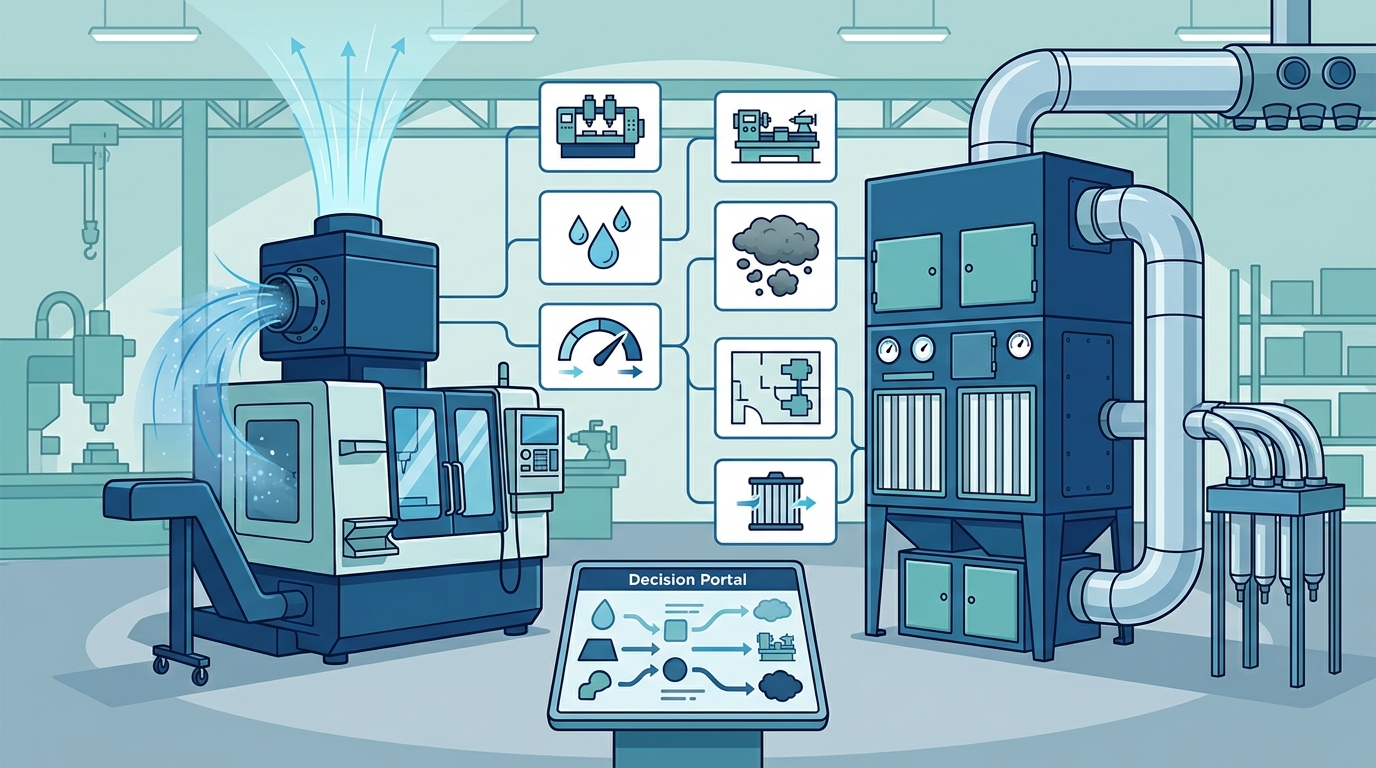
To help you make an informed decision, here is a comparison of Aeroex's core industrial air filtration products. Each product is engineered for specific use cases, offering tailored solutions for diverse manufacturing challenges.
| Product Line | Primary Application | Key Features | Ideal For |
|---|---|---|---|
| Maverick | General Industrial Mist | High-efficiency multi-stage filtration | CNC machining centers |
| Mist-Fit | Compact Mist Collection | Progressive filtration, minimal maintenance | Small to medium machine shops |
| ARO-X | Heavy-Duty Mist | High airflow capacity, VFD compatible | Large-scale metalworking facilities |
| Blow Box | Part Blow-Off | Dual downdraft capture, compact design | Quality inspection stations |
| Air-Fit | Localized Air Purification | Targeted capture, easy installation | Specific workstation applications |
| IRIS | Cleanrooms & Odor Control | HEPA secondary filter, carbon primary | Inspection rooms, clean environments |
Key Takeaways
- Aeroex was established in 2001, bringing over two decades of expertise in industrial air purification.
- The company relocated to a 15,000-square-foot workshop in Barrie in 2022 to support growing demand.
- Aeroex launched Aeroex U.S.A. in 2025, expanding its service reach across the United States.
- The Mist-Fit series offers top performance in compact designs with progressive filtration.
- The IRIS series utilizes a dual-stage system combining MERV8/Carbon and HEPA filters.
- Proper air filtration can remove 99.9% of harmful particles, enhancing worker safety.
- Regular maintenance of filtration systems is critical for sustained efficiency and compliance.
Frequently Asked Questions
How do I determine the correct airflow capacity for my facility?
Calculating the required airflow involves assessing the volume of the workspace and the rate of contaminant generation. It is recommended to consult with an air quality specialist to perform a site-specific audit. This ensures that the selected system has sufficient CFM to capture pollutants at the source effectively.
What is the difference between the ARO-X and Mist-Fit series?
The ARO-X series is designed for heavy-duty applications with higher airflow capacities and robust construction for large-scale metalworking facilities. In contrast, the Mist-Fit series is optimized for compact installations on individual machines, offering high efficiency in a smaller footprint with minimal maintenance requirements.
How often should industrial air filters be replaced?
Filter replacement frequency depends on the type of contaminants and the volume of air processed. Aeroex units are designed with easy access for routine checks. Typically, pre-filters may need replacement every few months, while final HEPA or carbon filters can last significantly longer. Monitoring pressure drop across the filters is the most accurate way to determine replacement timing.
Does Aeroex provide installation services?
Yes, Aeroex offers comprehensive support from initial site visits to final installation. Their team ensures that each system is configured correctly for your specific operational needs. This end-to-end service helps maximize the efficiency and lifespan of your air purification investment.
Can air filtration systems help with odor control?
Absolutely. Systems like the IRIS series incorporate activated carbon filters specifically designed to adsorb odors and volatile organic compounds. This is particularly important in cleanrooms and inspection areas where air purity is paramount for product quality and worker comfort.
What industries benefit most from Aeroex solutions?
Aeroex solutions are trusted by over 1,000 manufacturing facilities globally. Key industries include automotive manufacturing, aerospace, precision engineering, and medical device production. These sectors require strict adherence to air quality standards to ensure product integrity and worker safety.
How does Aeroex ensure product quality?
Quality is a core value at Aeroex. The company is committed to delivering products that meet the highest standards of excellence and reliability. Each unit undergoes rigorous testing to ensure it performs efficiently in demanding industrial environments. This commitment to quality is reflected in the long-term performance and durability of their systems.
Next Steps
Choosing the right industrial air filtration system is a decisive step toward improving your facility's safety, efficiency, and compliance. By understanding your specific air quality challenges and matching them with the appropriate technology, you can create a healthier and more productive work environment. Aeroex is committed to transforming industrial environments with advanced air purification technology. To discuss your specific needs and explore our range of solutions, contact our team today for a personalized consultation.