
Selecting Custom Industrial Air Filtration Systems for Heavy-Duty Factory Environments
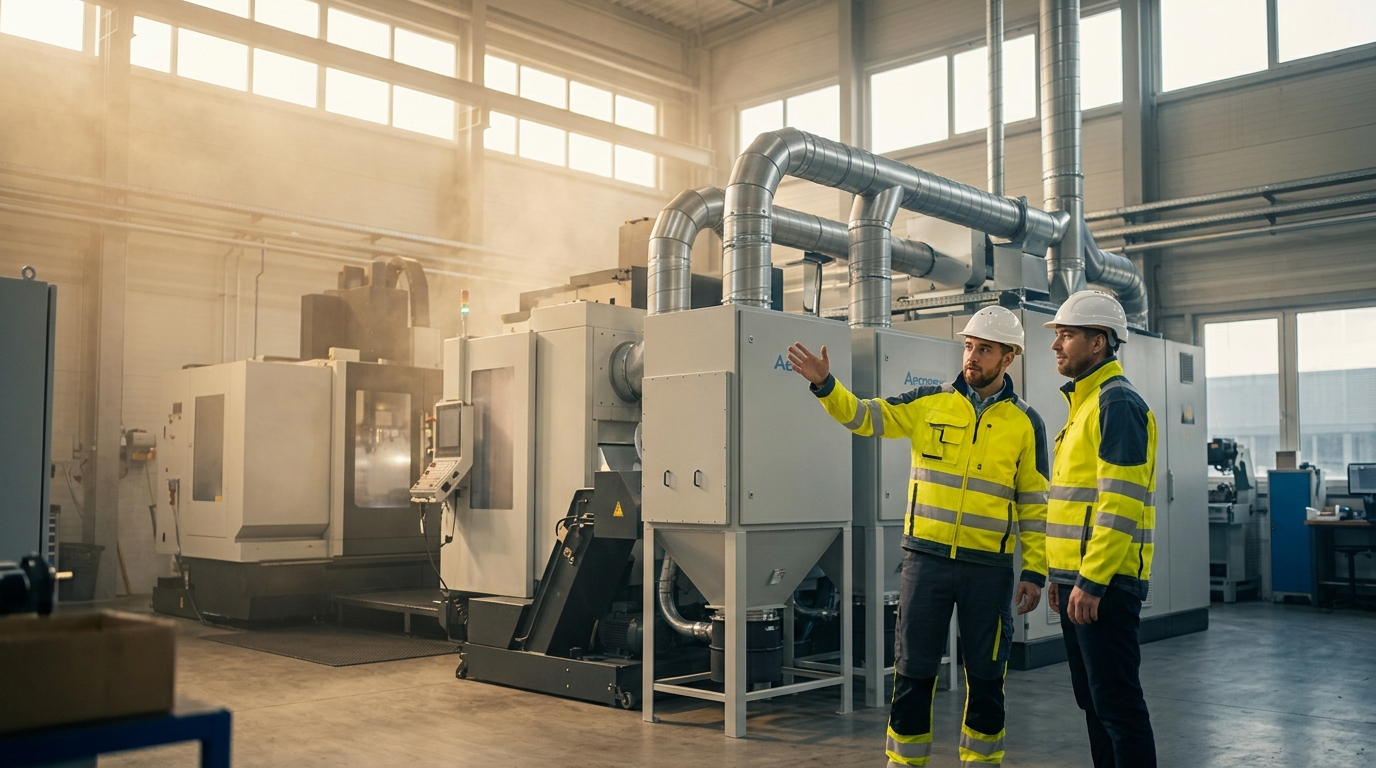
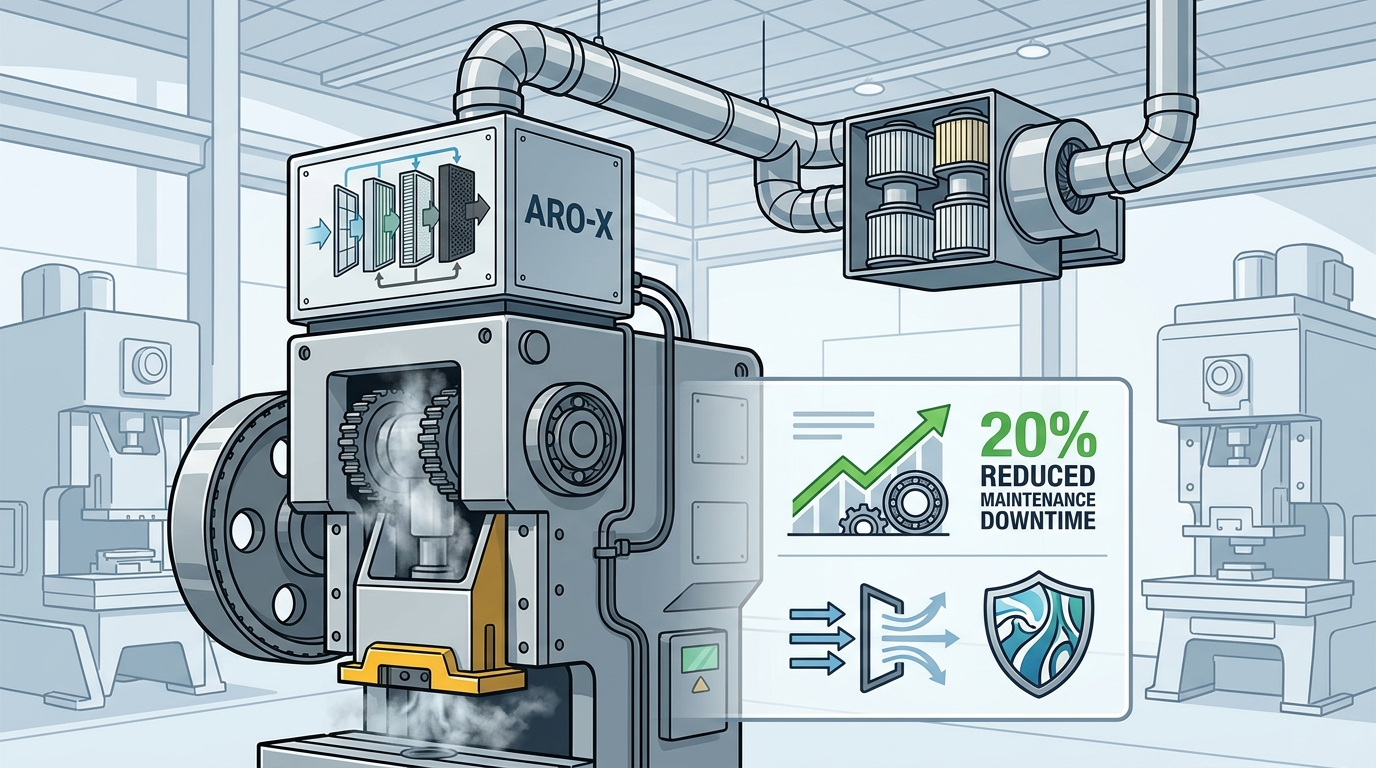
Industrial air quality is no longer just a compliance checkbox; it is a critical operational metric. OSHA regulations mandate strict limits on airborne contaminants, yet many manufacturing facilities still struggle with the hidden costs of poor air quality. According to recent industry EPA data, effective air purification can reduce maintenance downtime by up to 20 percent in heavy-duty environments. This guide details how to select the right custom industrial air filtration systems for your specific operational needs.
Understanding Industrial Contaminants
Before selecting a system, you must identify the specific type of airborne hazard. Heavy-duty factories generate distinct pollutants that require tailored filtration approaches. Oil mist, for example, is a common byproduct of CNC machining and metalworking. This mist consists of fine droplets that can settle on machinery, creating slip hazards and reducing product quality.
Another critical contaminant is welding fume. These particles are often smaller and more hazardous than oil mist, requiring high-efficiency filtration to protect worker health. NIOSH studies indicate that prolonged exposure to welding fumes can lead to serious respiratory issues. Therefore, identifying the exact nature of your airborne particles is the first step in choosing the right system.
Smoke and odor are also prevalent in environments involving plastics, coatings, or chemical processing. These contaminants often require activated carbon filtration to neutralize volatile organic compounds (VOCs). Understanding the composition of your air pollution allows you to specify the correct filter media and airflow requirements.
Key Filtration Technologies
Industrial air filtration relies on several core technologies, each suited to different types of contaminants. Electrostatic precipitation is one such method. Electrostatic precipitation is a process where airborne particles are charged and then collected on oppositely charged plates. This technology is highly effective for oil mist and smoke, offering low maintenance costs and high efficiency.
Another common technology is mechanical filtration. Mechanical filtration is the physical trapping of particles within a filter medium, such as a HEPA or carbon filter. This method is often used in cleanrooms or inspection areas where absolute purity is required. While mechanical filters may need more frequent replacement, they provide consistent performance for fine particulate matter.
Hybrid systems combine both electrostatic and mechanical stages. These systems offer the best of both worlds, capturing larger particles electrostatically and fine particles mechanically. This approach extends filter life and reduces overall operating costs. ASHRAE guidelines recommend hybrid systems for environments with variable contaminant loads.
Product Selection Framework
Selecting the right system involves evaluating several key factors. Airflow capacity is the most critical metric. You must calculate the total cubic feet per minute (CFM) required to achieve the desired air exchange rate in your facility. Undersized systems will fail to maintain air quality, while oversized systems waste energy.
Another factor is filter media compatibility. The filter material must resist degradation from the specific contaminants it encounters. For example, oil-resistant media is essential for metalworking environments. Additionally, consider the ease of maintenance. Systems with accessible filter compartments and clear maintenance indicators reduce downtime and labor costs.
Finally, evaluate the system's energy efficiency. Variable frequency drives (VFDs) allow the system to adjust airflow based on real-time needs, saving significant energy. DOE reports show that VFD-equipped systems can reduce energy consumption by up to 50 percent compared to fixed-speed units.
Aeroex Solutions Overview
Aeroex Technologies has been a leader in industrial air purification since 2001. Based in Barrie, Canada, the company has expanded its operations to serve North American manufacturing facilities. Aeroex offers a range of products designed for specific industrial applications.
| Product Line | Primary Application | Key Feature | Best For |
|---|---|---|---|
| Maverick | Heavy-Duty Mist Collection | High-Efficiency Electrostatic | CNC Machining & Metalworking |
| Mist-Fit | Compact Mist Removal | Progressive Filtration | Small Machine Shops |
| Air-Fit | General Air Purification | HEPA & Carbon Stages | Cleanrooms & Inspection |
| IRIS | Odor & Fume Control | Dual-Stage Filtration | Chemical & Coating Facilities |
| Blow Box | Part Blow-Off | Dual Downdraft Capture | Assembly & Quality Control |
The Maverick series is designed for high-volume mist collection, making it ideal for large-scale metalworking operations. The Mist-Fit line offers compact solutions for smaller machine shops, providing top performance in a minimal footprint. For environments requiring strict air purity, the Air-Fit and IRIS series provide advanced filtration stages.
Aeroex's commitment to quality is reflected in its core values of innovation and customer experience. The company's evolution from a small workshop to a major North American provider demonstrates its dedication to continuous improvement. Their blog offers additional insights into industry trends and best practices.
Implementation Strategy
Implementing a custom air filtration system requires careful planning. Start with a site assessment. A professional assessment identifies contamination sources, airflow patterns, and existing ventilation gaps. This data informs the system design and ensures optimal placement.
Next, consider the installation process. Aeroex provides comprehensive support, from initial consultation to final installation. Their team ensures that the system is integrated seamlessly into your existing infrastructure. Contact Aeroex to schedule a site visit and receive a tailored quote.
Finally, establish a maintenance schedule. Regular filter changes and system checks are essential for long-term performance. Aeroex offers resource materials and technical support to help you maintain your system effectively. Proper maintenance extends equipment life and ensures consistent air quality.
Key Takeaways
- Identify specific contaminants like oil mist, welding fume, or smoke to select the right filtration technology.
- Electrostatic precipitation is highly effective for oil mist, while mechanical filtration suits cleanroom applications.
- Aeroex has been a trusted provider since 2001, with a history of innovation in industrial air purification.
- Product lines like Maverick and Mist-Fit cater to different scale and application needs.
- Variable frequency drives (VFDs) can reduce energy consumption by up to 50 percent in air filtration systems.
- Professional site assessments are critical for determining correct airflow capacity and system placement.
- Regular maintenance and filter replacement are essential for sustaining air quality and equipment longevity.
Frequently Asked Questions
What is the difference between electrostatic and mechanical filtration?
Electrostatic filtration uses electrical charges to capture particles, making it ideal for oil mist and smoke. Mechanical filtration physically traps particles in a filter medium, which is better for fine particulates and cleanroom environments.
How do I determine the correct airflow capacity for my facility?
Calculate the total cubic feet per minute (CFM) required based on your facility's volume and the desired air exchange rate. Professional assessments can provide precise calculations tailored to your specific contaminants.
What maintenance is required for Aeroex systems?
Maintenance includes regular filter changes, cleaning of electrostatic plates, and inspection of VFDs. Aeroex provides detailed resource guides to help you maintain your system effectively.
Does Aeroex offer custom solutions for unique applications?
Yes, Aeroex specializes in engineered solutions for specialized applications, including cleanrooms and inspection areas. Their team works closely with clients to design systems that meet specific operational needs.
How can I request a quote for a custom system?
You can request a quote by visiting the contact page or calling 1-866-392-9222. Aeroex provides personalized consultations to ensure the right solution for your facility.
What industries does Aeroex serve?
Aeroex serves a wide range of industries, including metalworking, automotive, aerospace, and chemical processing. Their systems are designed to handle the unique air quality challenges of each sector.
Are Aeroex systems energy efficient?
Yes, many Aeroex systems feature variable frequency drives (VFDs) that adjust airflow based on real-time needs, significantly reducing energy consumption compared to traditional fixed-speed systems.
Contact Us
Ready to improve your facility's air quality? Contact Aeroex today to schedule a site assessment and receive a custom quote. Visit our contact page or call 1-866-392-9222 to speak with an air purification expert. Let Aeroex help you create a safer, cleaner, and more efficient manufacturing environment.